In the vibrant silence of the Night of Destiny, while the world slumbered, the Divine Word descended upon the heart of the Prophet Muhammad (peace and blessings be upon him), initiating a unique spiritual and textual journey in human history. The Quran, mirror of the infinite, is much more than a book: it is the living trace of Allah's mercy, a source of guidance, light and questioning for the soul seeking meaning. From revelation to compilation, from oral transmission to the multiplicity of contemporary editions, the history of the Quran is one of sacred preservation, unwavering faithfulness and continuous adaptation to the needs of the believers, traversing the centuries without ever losing its original freshness.
Revelation: A Heavenly Descent to the Heart of Humanity
The word "Quran" (Qur'ân) literally means "recitation". According to Islamic faith, it was revealed, word for word, upon the heart and tongue of the Prophet Muhammad (peace be upon him) through the Angel Gabriel, over a period of twenty-three years, between Mecca and Medina. This revelation, called wahy, is a metaphysical act: the direct communication of the Word of Allah to His Messenger, in Arabic of unparalleled beauty, during the Night of Destiny (Laylat al-Qadr) in the month of Ramadan. Certain verses evoke this sudden and gradual descent, linking the revelation to the spiritual maturation of the Prophet and the guidance of all humanity: "The month of Ramadan is the month in which the Quran was revealed" (Surah Al-Qadr).
The revelation of the Quran was experienced as a trial of light: each verse, each word, carried the weight of divine guidance, inviting reflection, justice, compassion, and humble submission to the will of Allah. The emotion of revelation, its power, its gentleness, its demands, are all aspects that marked the first believers and continue to touch hearts today.

Transmission, Memorization, and First Writings: The Faithfulness of Hearts and Pens
From the very first moments, the Quran was recited, memorized, and written down by the Companions of the Prophet. These individuals, called qurra' (reciters), played an essential role in the preservation of the text. Many scribes, under the direct supervision of the Prophet, recorded the verses on various supports: shoulder blades, parchments, palm leaves. But it was above all the living oral transmission that ensured the continuity and authenticity of the message.
After the Prophet's death, the community faced the necessity of compiling the text, particularly following the death of many memorizers during the first battles. Under the caliphate of Abu Bakr, then Othman, the Quran was gathered into a single book (mushaf), a decisive step for the unity of the Ummah and the safeguarding of the Word of Allah. Othman had a standard version established, destroying divergent variants in order to preserve the uniqueness of the text, an act of profound wisdom, inspired by the fear of division and oblivion.
« Truly, it is We who have revealed the Reminder to you, and it is We who will preserve it, indeed, (against all alteration). » (Quran 15:9)
Order, Surahs and Diversity of Readings: Harmony in Plurality
The Quran is composed of 114 surahs, assembled not according to the chronological order of revelation, but according to a wisdom that sometimes escapes human reason. The order of the surahs, fixed in the Uthmanic recension, was sometimes subject to variations in certain ancient manuscripts, testifying to the vitality and richness of Quranic transmission. This diversity never undermined the integrity of the text, for tradition managed to preserve the meaning, the letter and the spirit.
The plurality of readings (qirâ'ât) constitutes another dimension of this sacred history. Arising from different Arab tribes and pronunciation variants, these readings are recognized and validated by tradition, offering each generation a unique way to taste the beauty of the Divine Word. Today, the study and practice of the different readings are accessible to all those who wish to deepen their connection with the Quran: Discover Quranic readings.
The Quran Facing Modernity: Exegesis, Reason, and the Quest for Meaning
In contemporary times, the reading of the Quran has been enriched by multiple approaches: literalist, contextual, spiritual, and rational. Some scholars emphasize the necessity of interpreting the text in light of its historical and social context, reminding us that reason and revelation are two complementary sources of guidance. Others, by contrast, favor a strict textual reading, sometimes at the expense of Islam's universal moral and ethical principles.
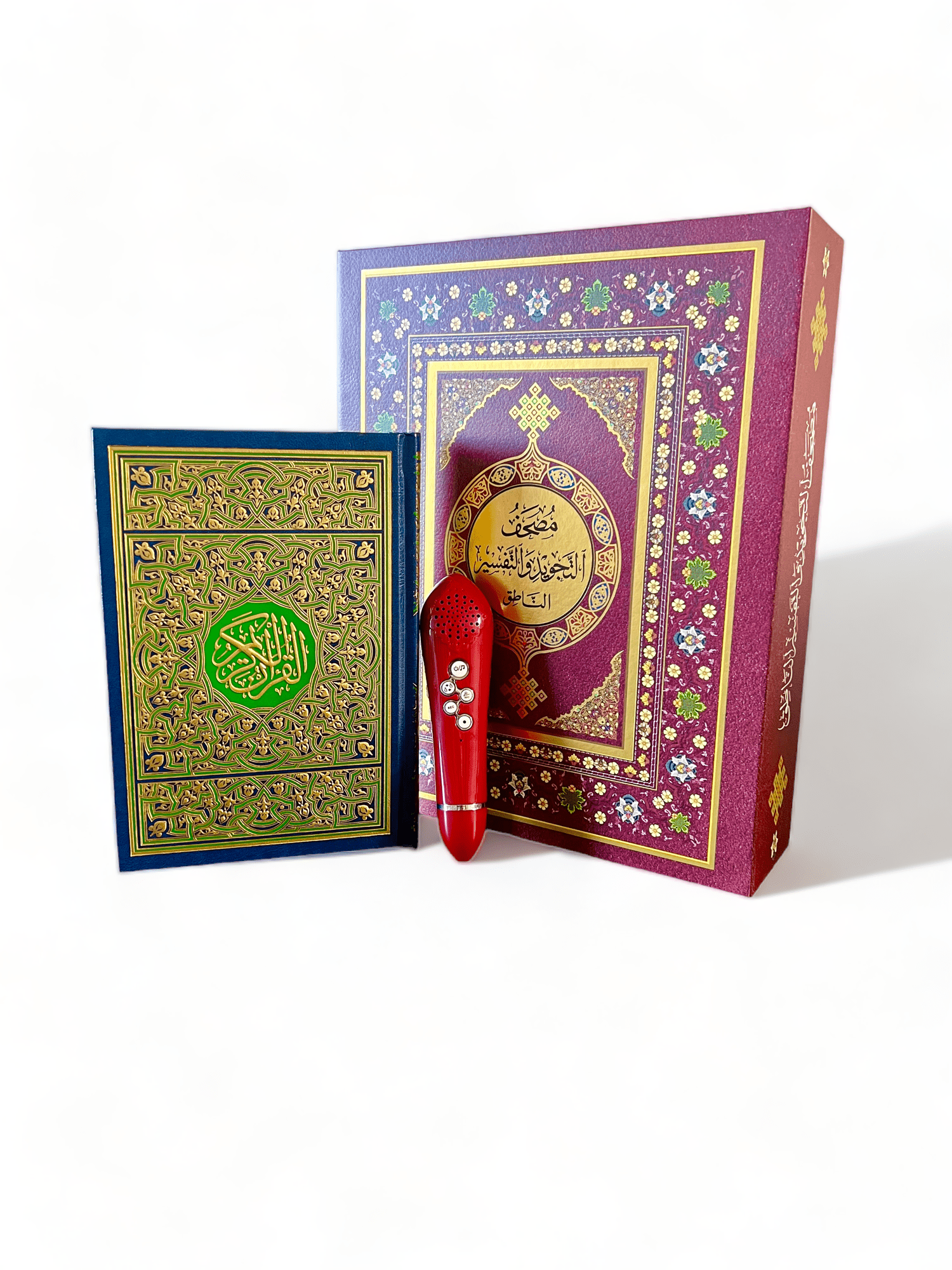
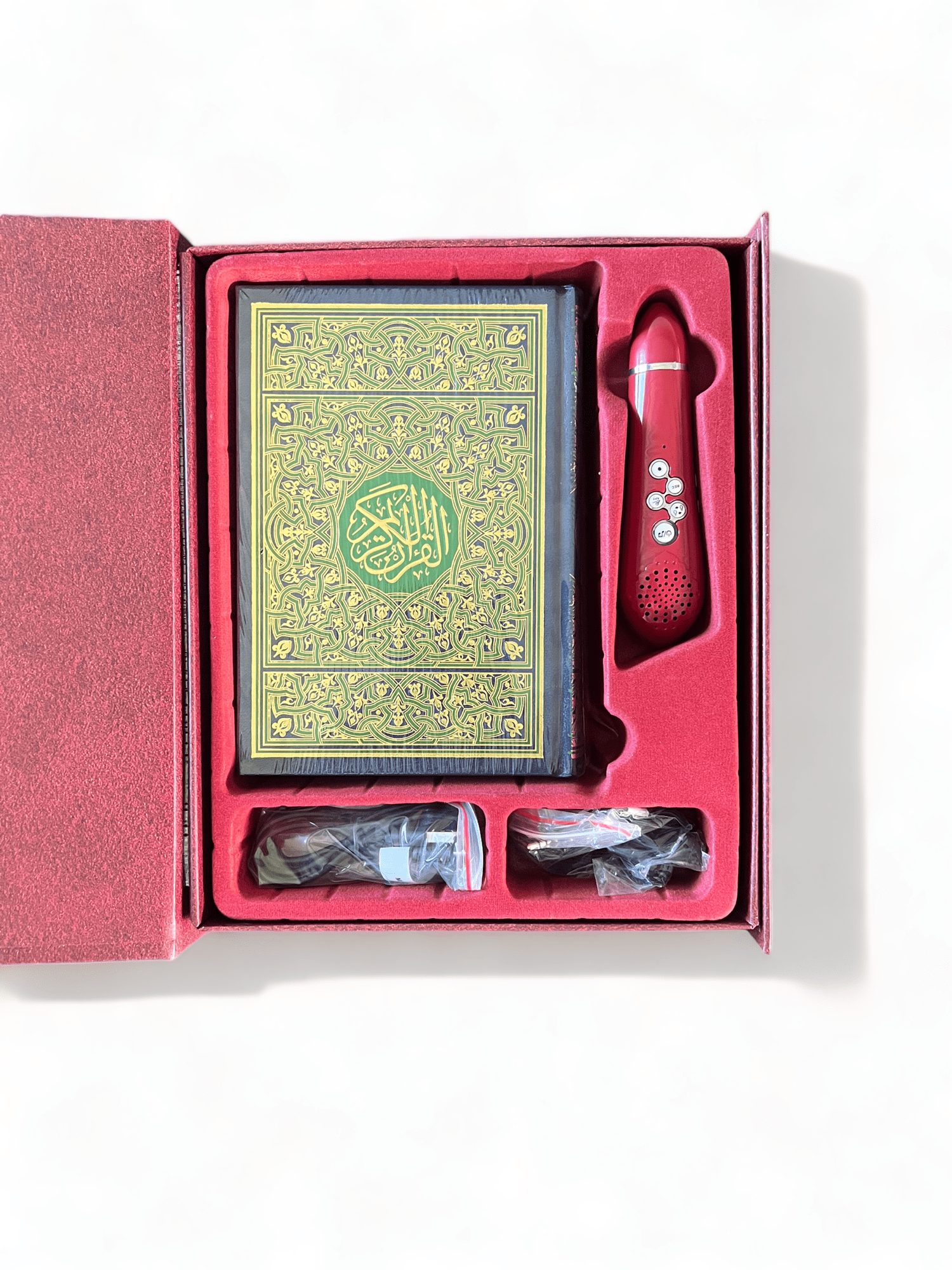
The diversity of editions, translations, and formats (from ancient manuscripts to electronic Qurans) testifies to this perpetual adaptation: each era, each people, each sincere heart finds in the Quran a mirror of their own questions, an answer to their doubts, a light in the night of uncertainty. Buy a Quran online: varied and authentic editions.
The Al-Imen Muslim bookstore strives to offer faithful, respectful, and accessible editions, so that each reader can draw from the original source of divine guidance: Discover our selection of Qurans.

Virtues and teachings: the Quran, mirror of the soul
- Source of guidance and light for humanity
- Call to justice, compassion, patience and gratitude (Hamdoulilah)
- Invitation to meditation, humility and submission to the will of Allah
- Protection against forgetfulness, misguidance and division
- Openness to diversity, reflection and the effort of understanding
For the Quran is not merely a text: it is a presence, a light, a trial and a consolation. It heals the hearts, elevates the souls, and reminds each one of the greatness, mercy and infinite wisdom of Allah (Al-Wasi').
Meditative Conclusion: The Living Book
Throughout the centuries, the Quran has continually renewed its freshness, spoken to the intimate, challenged reason and soothed anxiety. It is the Living Book, guarded by divine promise, transmitted from heart to heart, from generation to generation, until the last dawn rises upon humanity. May Allah, in His infinite wisdom, grant us the light of His Word and the capacity to live it with sincerity, humility and love.
"O Allah, make the Quran the spring of our hearts, the light of our chests, the dispeller of our sorrows and the relief of our worries."
To learn more:
- Understanding the Quran: Guide to the Surahs and Their Teachings
- Explanations and Tafsir of the Quran
- Authentic Editions of the Quran
- Quranic Recitations (Qirâ'ât)
- Surah Al-Qadr: The Night of Destiny
📚 Also Read
−5% off the entire library with code BLOG5
Valid on the entire site, with no minimum purchase — our thanks to blog readers.
Discover the Selection